Pilot Training & FAA Licensing
Get licensed.
Fly legally.
FAA training for spray drone pilots: from your FAA Part 107 pilot certificate to Part 137 spray drone certification, DroneX guides farmers and commercial operators through every step of getting legally in the air.
Training & certification
Choose your FAA training path
Whether you are a first-time pilot or a team getting ready to spray, we will point you in the right direction.
Start here
Part 107 Ground School
$159 one-time
Online course to earn your FAA commercial drone pilot certificate.
- Complete online curriculum
- Pass on the first try or your money back
- Learn at your own pace
- Direct access to our team for questions
Part 137 Guidance
Step-by-step
Everything you need to legally operate a spray drone commercially.
- Aircraft registration help
- 44807 exemption guidance
- FAA Form 8710-3 support
- Clear next steps until approval
Team Training
Custom
Initial and recurrent FAA training built for your crew.
- Programs for your operational needs
- Initial and recurrent training
- Included in Enterprise Fleet Management
- For ag, public safety and industrial teams
The Part 107 ground school is offered through our partnership with Pilot Institute.
Part 137 certification
Four steps to legal spray operations
Spray drone operators need a Part 137 agricultural aircraft operator certificate. Here is how the process works, and we will guide you through each step.
FAA aircraft registration
Aircraft under 55 lbs. are registered online. Aircraft 55 lbs. and over require AC Form 8050-1 with proof of ownership. Each drone receives its own FAA registration number.
File a 44807 exemption
Spray drone operators must obtain a 44807 exemption from the FAA. Approval typically takes 2–3 months.
Typically 2–3 months
Submit FAA Form 8710-3
Email the two-page Form 8710-3 application to the FAA. Self-certification now replaces in-person inspections.
Receive FAA approval
The FAA notifies you of your certification status. Once approved, you are authorized to operate commercial spray drones under Part 137.
Requirements
What you need to fly a spray drone
In addition to your Part 137 certificate, every spray drone operator must hold these three credentials.
Pilot
FAA Part 107 certificate
Your remote pilot certificate for commercial drone operations. Start with our online ground school.
Chemicals
Pesticide applicator license
Issued by your state department of agriculture. Commercial or non-commercial, with aerial application categories.
Medical
Third-class medical certificate
Issued by an FAA aviation medical examiner. See the FAA medical standards.
About the pesticide applicator license: it is managed by each state, gives access to Restricted Use Pesticides, and requires keeping annual application records and completing continuing education credits. Requirements vary by state, so check with your state department of agriculture.
Get guidance
Talk to our team
Questions about Part 107, Part 137 or training for your crew? Tell us where you are in the process and we will help with the next steps.
Prefer to talk? Call (515) 400-5177 or email sales@niicorp.com.
Spray drone checklist
Before your first spray job
- FAA Part 107 pilot certificate
- FAA registration for each aircraft
- 44807 exemption
- Part 137 certificate (Form 8710-3)
- State pesticide applicator license
- Third-class medical certificate
Already have an exemption? An existing 44807 exemption may already cover some Part 137 prerequisites. Ask us and we will review your situation.
FAQ
Licensing questions
Do I need a license to fly an agricultural drone?
Yes. To operate a spray drone commercially you need an FAA Part 107 pilot certificate, a Part 137 certificate, a 44807 exemption, a state pesticide applicator license and a third-class medical certificate.
How much is the Part 107 course?
The online Part 107 ground school is $159 through our partner Pilot Institute, and it comes with a pass-on-the-first-try guarantee: if you do not pass the exam, you get your money back. Enroll here.
How long does Part 137 certification take?
The 44807 exemption typically takes 2–3 months to be approved. Form 8710-3 is now self-certified, which has made the rest of the process faster than before.
Can DroneX issue my license?
No. Licenses and certificates are issued by the FAA and your state. We guide you through the process and help you prepare each step.
Do you offer training for teams?
Yes. Initial and recurrent Part 107 training tailored to your team is included in our Enterprise Fleet Management program, or contact us for a custom plan.
This information is based on our experience in the UAS industry and is provided for informational purposes only. It does not constitute legal advice and was not prepared by a licensed attorney. Always confirm current requirements with the FAA and your state department of agriculture.
FAA training for agricultural spray drone operators
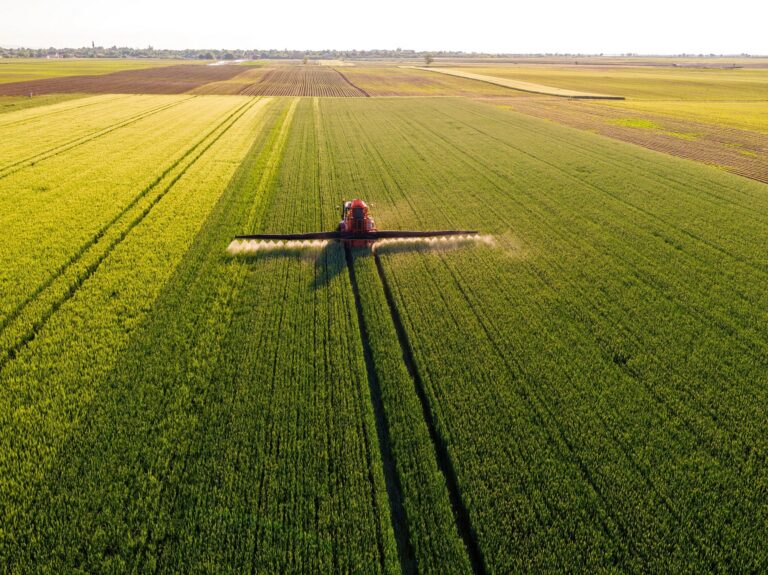
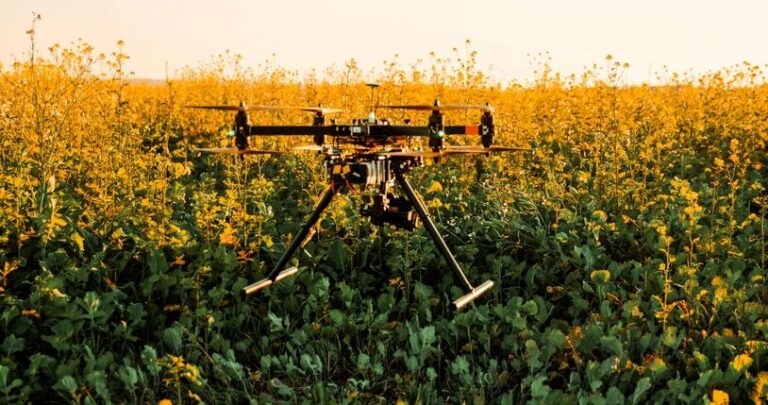
Flying a spray drone for hire takes more than a good aircraft. Pilots need an FAA Part 107 remote pilot certificate, spray operations need a Part 137 agricultural aircraft operator certificate, and drones over 55 lb need a 44807 exemption, plus a state pesticide applicator license. FAA training up front saves weeks of back-and-forth with paperwork later.
Our team helps you plan the order of each step, from aircraft registration to the final FAA approval, and our Part 107 ground school runs through our partnership with Pilot Institute. You can read the official requirements on the FAA spray drone page. Once you are certified, keep your aircraft flying with drone repairs, DJI Agras parts and spray drone rentals.
Start today
Your path to spraying starts here
Begin with Part 107 online, then let our team guide you through Part 137 and everything you need to fly legally.